- If we can rule out parity sequences A and B, can we somehow extend the ruling-out to sequence C (derived from A and B)? And keep extending until all parity sequences are covered?
In direct link to this question: if we can rule out A, then we can rule out any powers of A.
This result means that if you are looking for a positive integer cycle, you can ditch any sequence whose parity vector can be broken as the concatenation of smaller parity vectors. Interestingly, if you only consider cycles of prime length, you are assured to never encounter this issue (which made me realise that all known postive/negative cycles are of prime length (or of length 1, which can also not be broken in smaller pieces)).
The result is a direct consequence of x < 2^n and x < 3^k in a cycle of size n with k odd terms, I will examplify the proof on p = (q)^2
Concatenating your two qs you get:
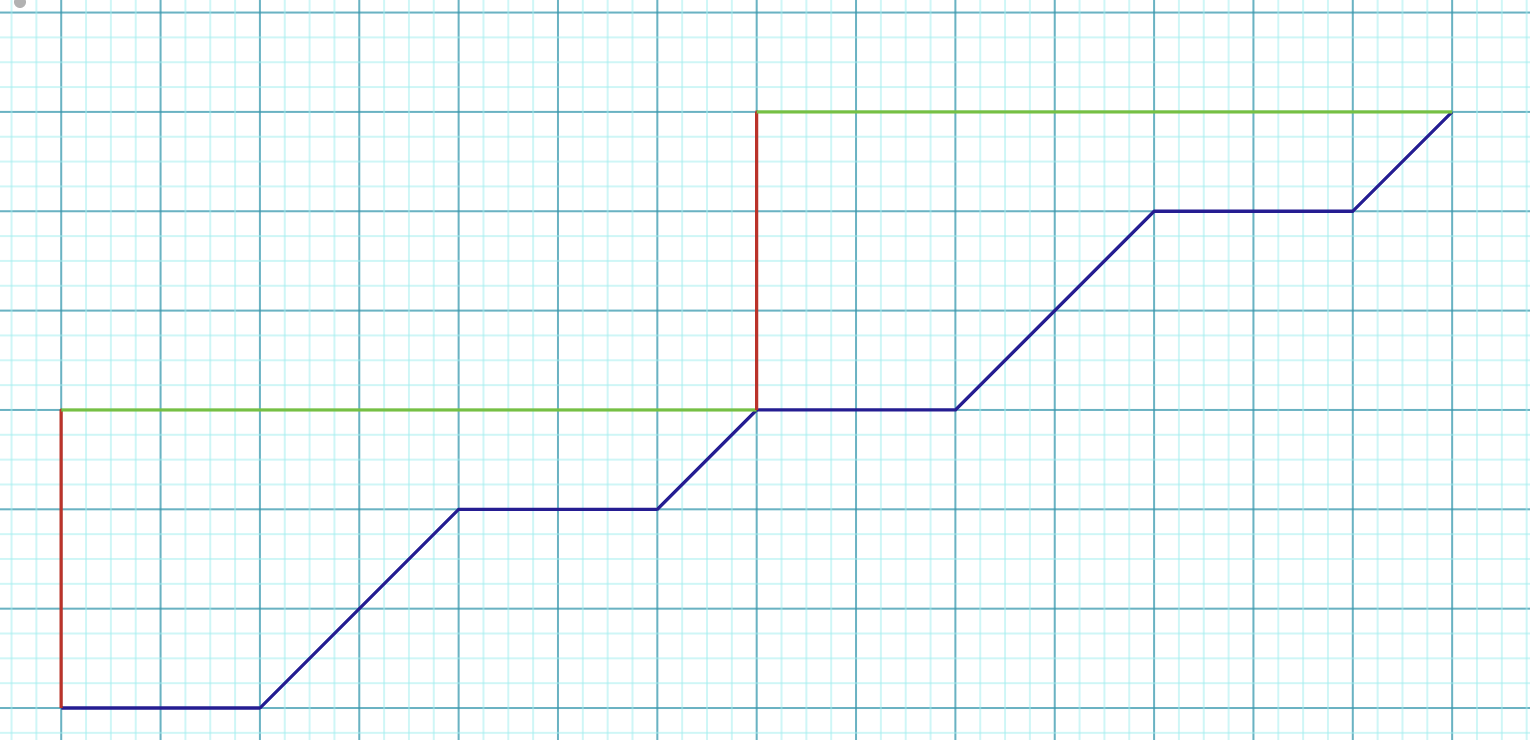
First by cyclicity, you deduce:
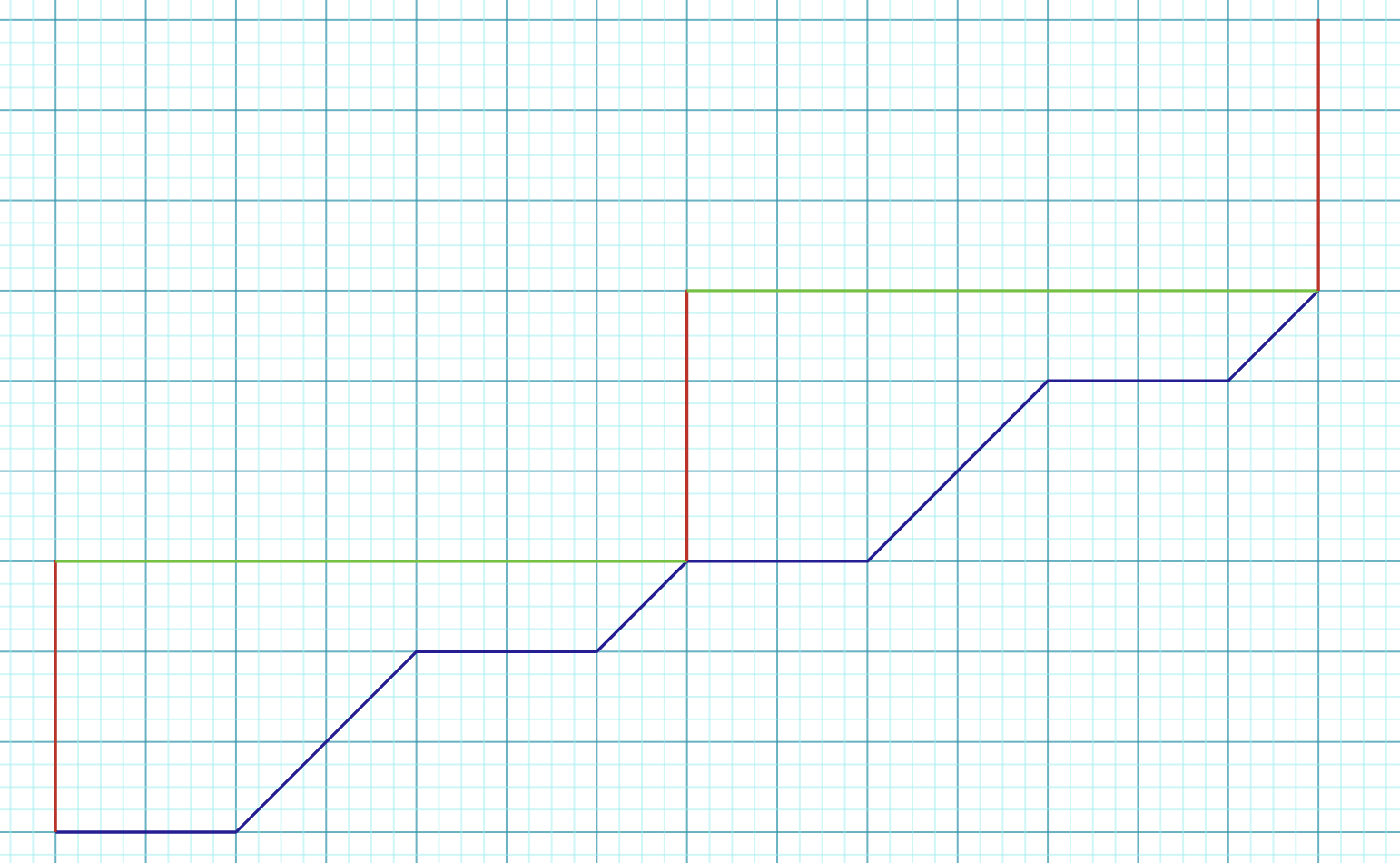
Then, you tile and you get the same black:
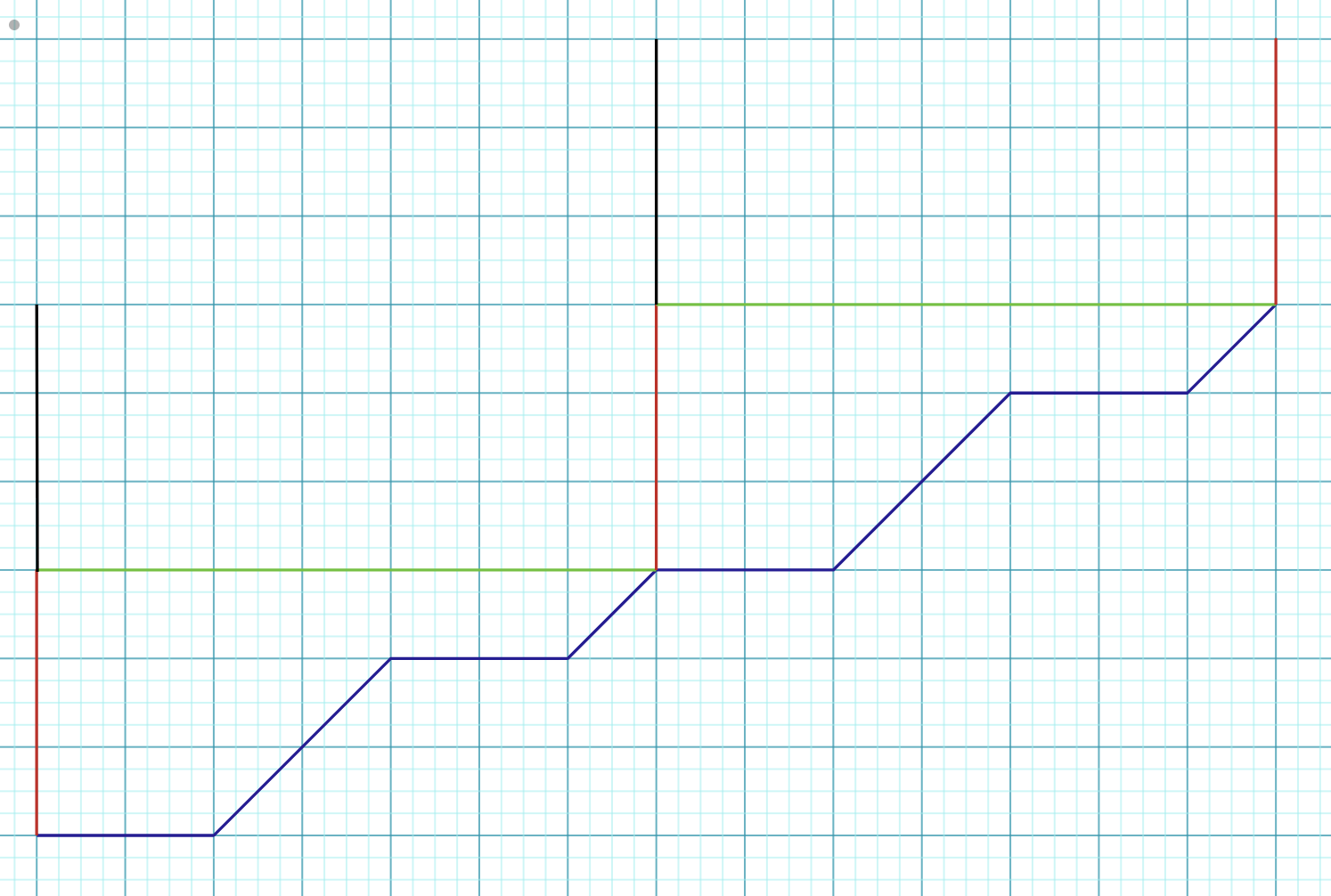
By cyclicity, you deduce:
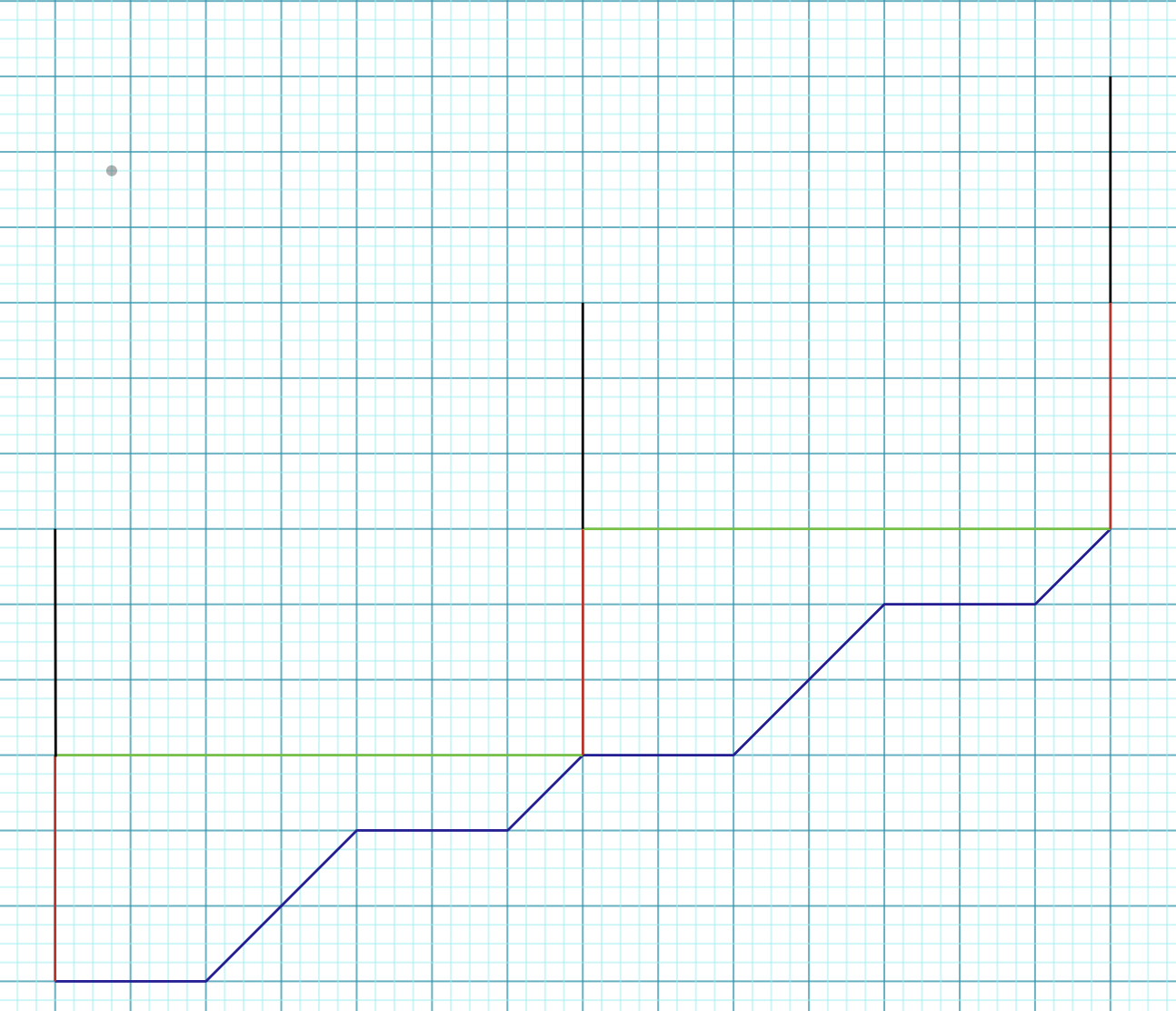
But now, if black is not 0, consider:
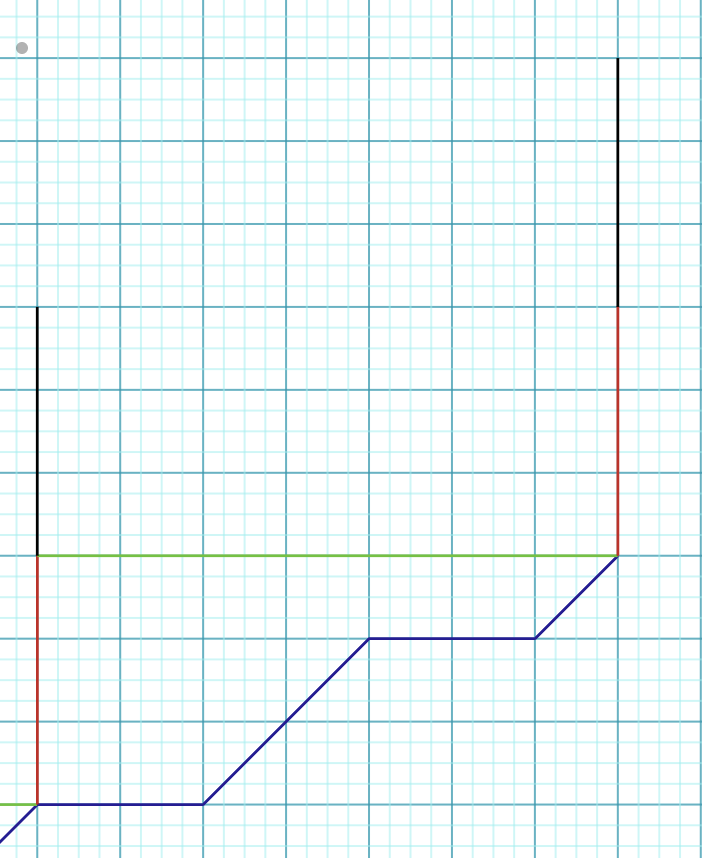
We get a cycle on q, but contradicting x < 3^k in a cycle with k odd terms, hence, all repetitions of q are actually bearing the same cycle, which is the one of q. From this we get the result.